
Maverick filmmaker Ram Gopal Varma has once again ignited a major conversation in the film industry with his bold take on artificial intelligence and the future of filmmaking. Known for challenging conventions, RGV recently claimed that a grand cinematic spectacle on the scale of Baahubali could soon be produced for as little as ₹5 lakh using advanced AI technology.
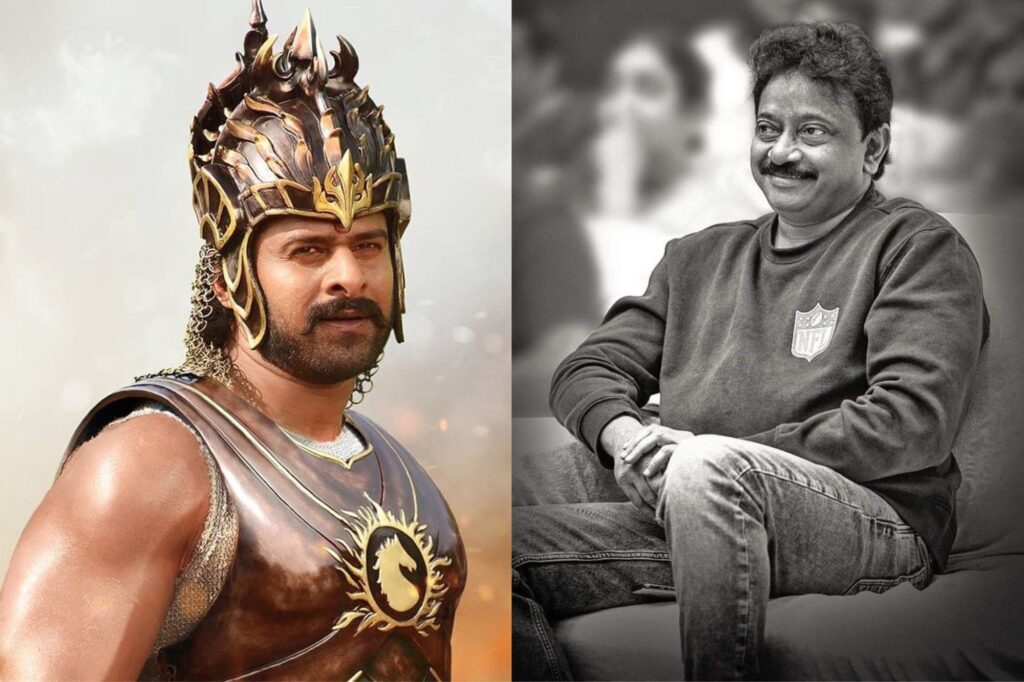
The statement has raised eyebrows across the industry, especially considering that films like Baahubali were made on massive budgets running into hundreds of crores. Varma argued that with the rapid advancement of AI tools, the traditional cost-heavy filmmaking model could soon become obsolete. According to him, technologies powered by artificial intelligence will allow filmmakers to generate large-scale visuals, action sequences, and immersive fictional worlds digitally—at a fraction of current production costs.
To highlight the contrast, Varma referenced smaller, content-driven films like Balagam, noting that even such modest productions still require significant financial investment under conventional methods. This, he suggests, underscores how disruptive AI could be, not just for big-budget spectacles but for the entire filmmaking ecosystem.
RGV believes that AI has the potential to eliminate the need for massive crews, expensive sets, and elaborate on-ground logistics. Instead, filmmakers could rely on digital tools to execute their vision with unprecedented efficiency and affordability. If realized, this shift could democratize filmmaking, enabling independent creators and newcomers to produce high-quality cinema without the backing of major studios.
However, his comments have also sparked a wider debate. While many see AI as a revolutionary force that could redefine storytelling and accessibility, others remain cautious. Critics argue that over-reliance on AI could impact originality, reduce human involvement, and disrupt jobs across the industry.
Despite the divided opinions, Ram Gopal Varma’s remarks have once again put the spotlight on how rapidly technology is reshaping cinema. As AI continues to evolve, the question remains—will it complement human creativity or fundamentally transform the art of filmmaking as we know it?